
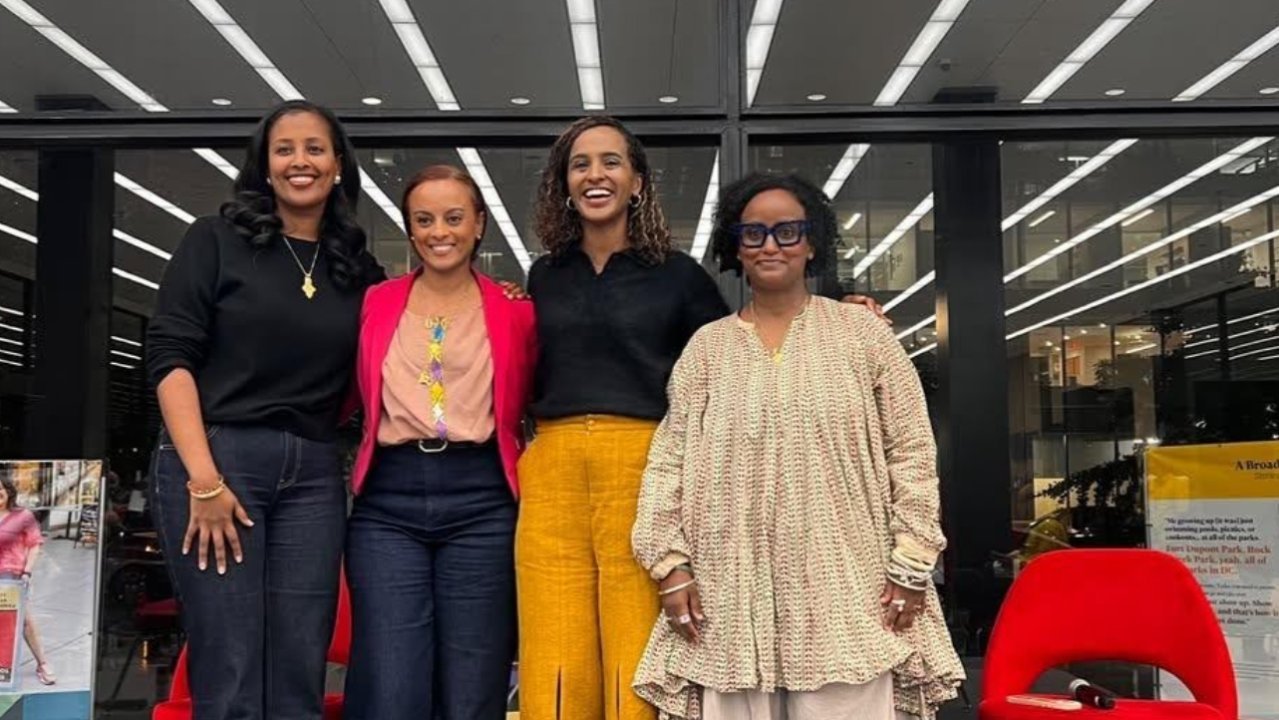
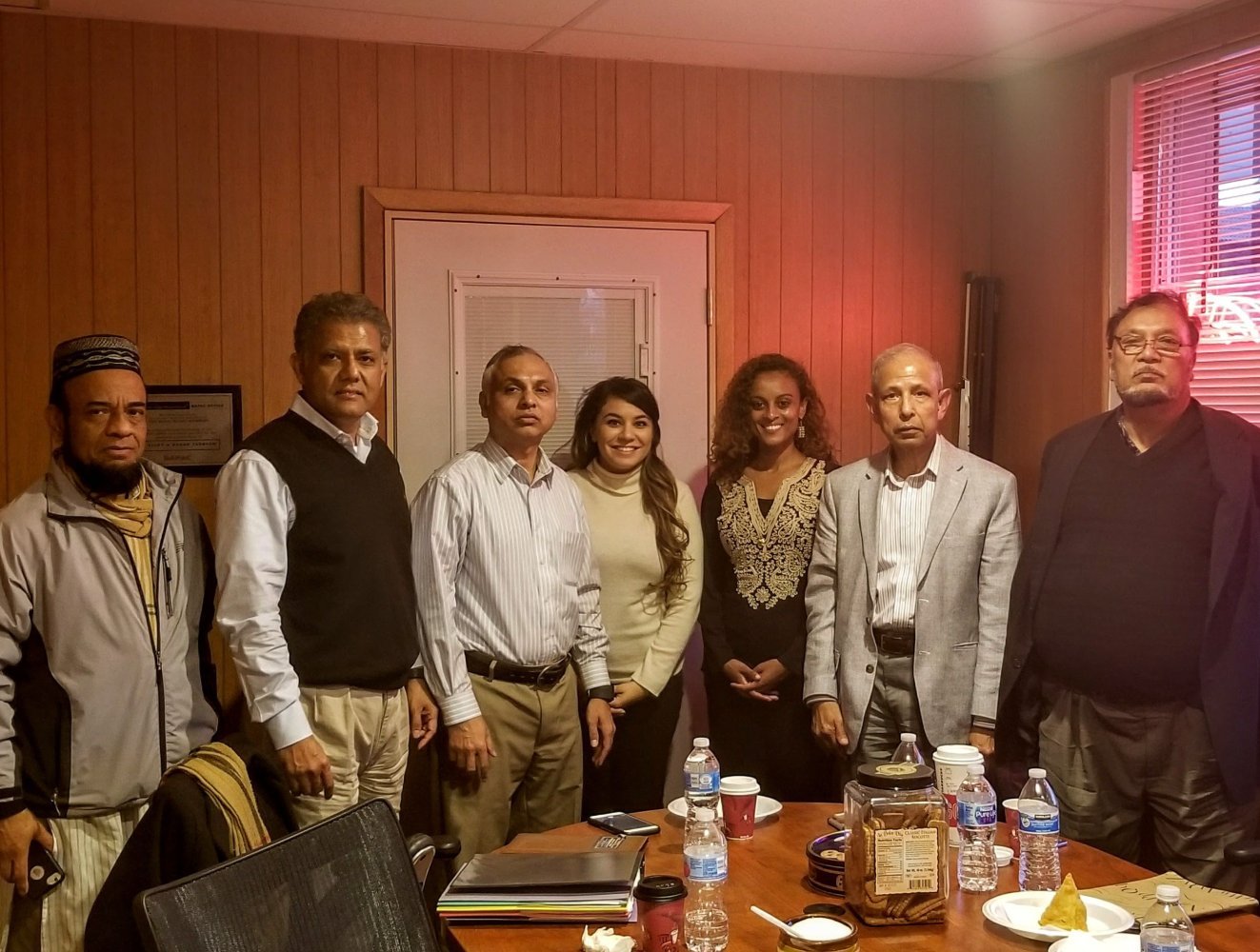
Cover photo: With fellow panelists after our discussion on The Living Archive: Capturing Eritrean & Ethiopian Stories Through Art & Fiction, Washington, D.C., 2026
On September 22, I had the honor of moderating The Living Archive: Capturing Eritrean & Ethiopian Stories Through Art & Fiction at DC Public Library ‘s MLK Library, in partnership with the DC Commission on the Arts and Humanities Close to 90 people came out on a dreary Tuesday night for a conversation with novelist Bsrat Mezghebe lens-based artist Redeat Wondemu and interdisciplinary artist Tsedaye Makonnen about why they capture our stories in lasting form.
Bsrat’s debut novel, I Hope You Find What You’re Looking For, follows three women on the eve of Eritrean independence. Redeat hand-prints photographs that link Ethiopia and Washington. Tsedaye helped the Library build an oral history archive of DC’s Ethiopian communities. Each of them treats storytelling as a way of remembering, reliving, and holding on.
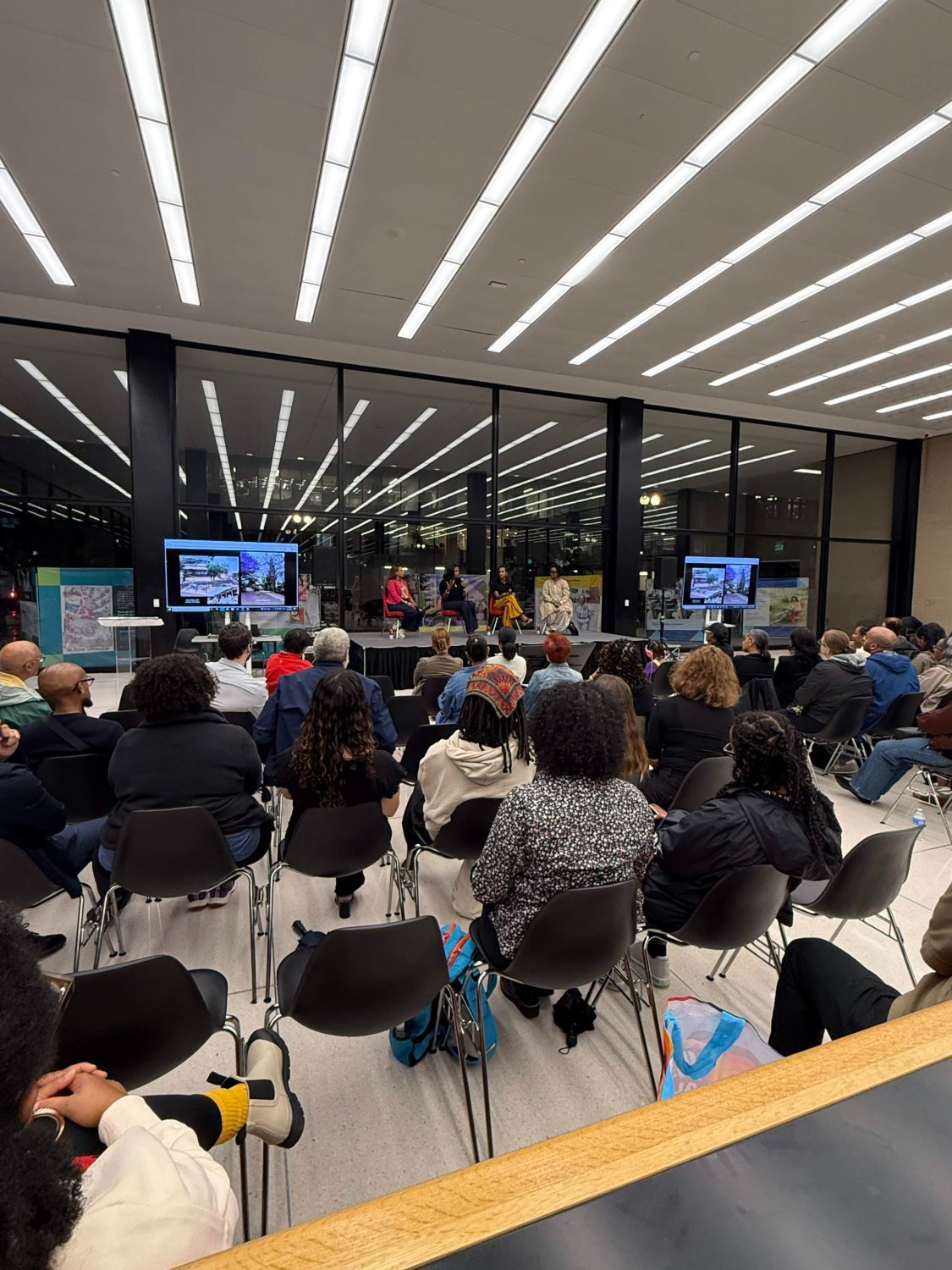
Departure from home often means arriving somewhere as a stranger and having to take great measures to remember, preserve, share and contribute to your new society.
Diasporas of all backgrounds trade a life of deep connection and visibility when they leave home, in search of a fresh start, often with an uneasy level of invisibility in jobs their cities rely on but rarely notice.
The janitor, parking booth attendant, taxi driver, cook, nanny, and gardener have full lives behind them, with degrees, skills, and expertise, that go unrecognized in order to build their new life in their new homeland.
And still, those stories are exactly what becomes part of how the city lives, breathes, and operates.
- What can we learn from these visible yet invisible parts of our community?
- How can we recognize and amplify those contributions at the local and global level?
Diasporas Turn Communities Into Constituencies
Washington shows what becomes possible when a city recognizes that contribution. Home to one of the largest African diaspora populations, the Washington metropolitan area is home to Nigerians, Ghanians, Sierra Leoneans, Eritreans, Ethiopians, Somalis, Sudanese and many more.
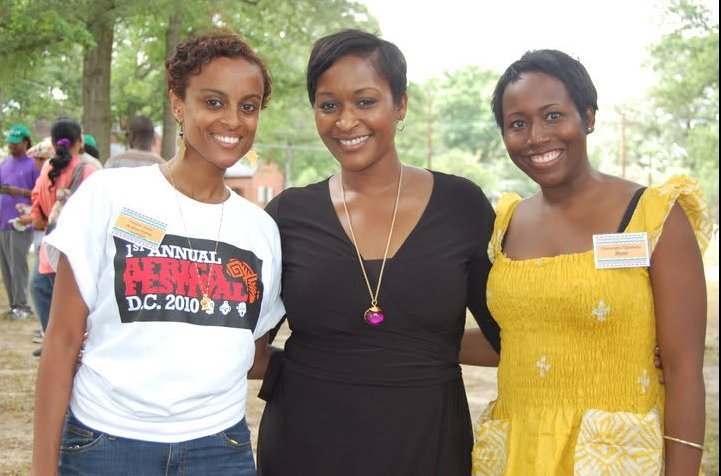
I have worked alongside the Mayor’s Office on African Affairs since 2009 and was part of the inaugural DC Africa Festival in 2010. Those relationships turned a community into a constituency. According to the Immigration Research Initiative, immigrants make up 27 percent of DC’s business owners, from restaurants to the parking companies the region runs on.
Cities Grow Stronger When They Name What Diasporas Build
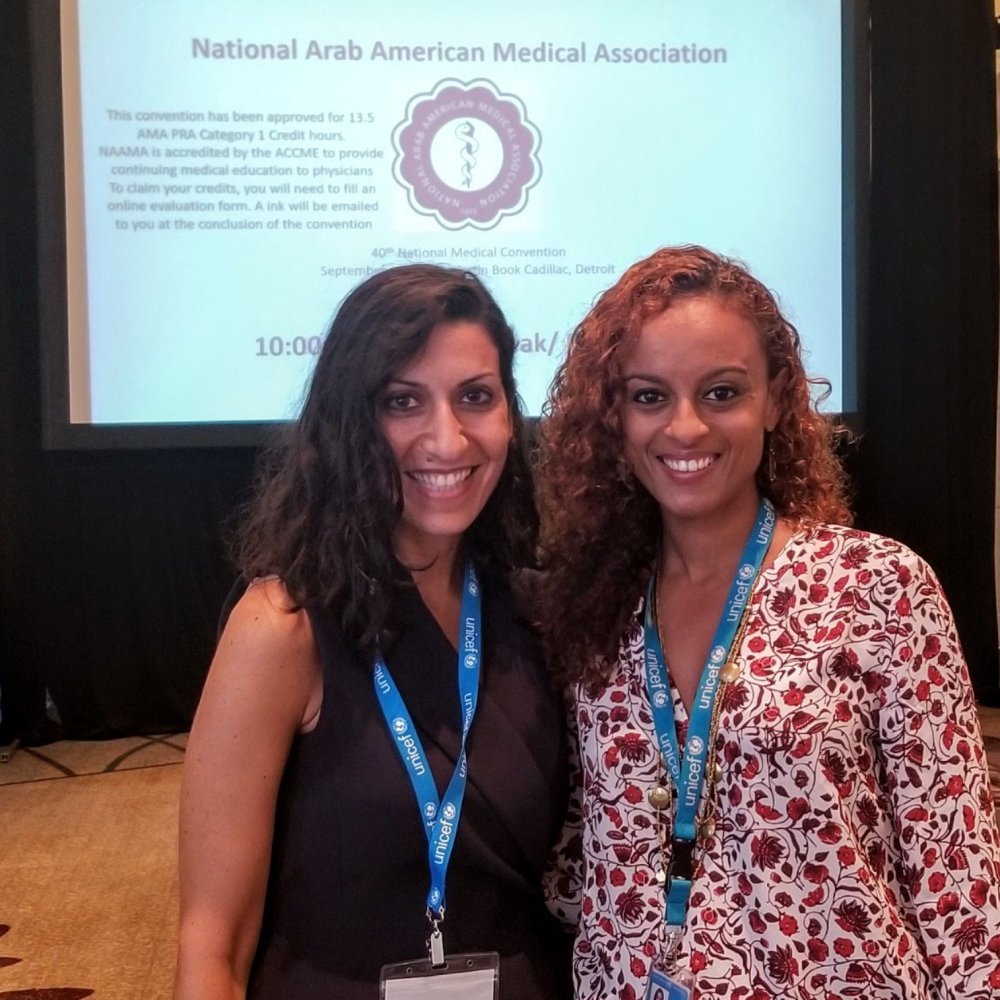
In Anaheim, the Arab American Civic Council founded and led by Rashad Al-Dabbagh, helped build the coalition behind the city’s 2022 designation of Little Arabia, Anaheim’s first recognized cultural district. In Dearborn, generations of Americans of Arab descent built institutions like the Center for Arab American Philanthropy (CAAP) and the National Arab American Medical Association Michigan Chapter, and I have watched them organize giving and talent for communities here and abroad.
My diaspora work for Bangladesh took me from Dhaka to Hamtramck, where the Banglatown corridor along Conant Avenue anchors a Bangladeshi American community that opened its own public affairs headquarters in 2015. I met with Bangladeshi-American leaders in New York, California, Michigan and Virginia to learn how they were organizing and driving their time, talent and treasures into Bangladesh’s economy.
Minnesota, a state I call home, shows the long arc. Norwegian and broader Scandinavian, Polish, German and Ukrainian communities shaped the state first, with later arrivals, including the Hmong, Mexican, Somali, Eritrean, Ethiopian, Liberian, and Kenyan communities adding new layers and depth alongside them. According to the Minnesota Reformer, the state is home to about 108,000 residents of Somali descent, more than any other state, who are overwhelmingly first and second-generation Americans. They join all the other diaspora communities who have arrived and shaped the state’s landscape. Leaders like Rep. Ilhan Omar, State Senator Zaynab Mohamed and Mayor Nadia Mohamed, who became mayor at 27, are just some of the many local Somali diaspora leaders making way for diasporas to represent, organize, participate and engage in their communities.
At The Diaspora Academy, we call this pattern the R.O.P.E. framework (Represent, Organize, Participate, Engage), and we measure it in our work. We examine how diasporas maintain ties to their ancestral homeland and invest their Time, Talent, and Treasure in their adopted homeland
Diasporas contribute and participate in deeply transformative ways, for their communities and society at large. These examples are just a few of the ways we see ROPE in action.
The Need for More Third Spaces For Diasporas To Find Each Other
Lastly, cities are more than places of residence. They are deeply networked communities and hubs for connection, learning, solidarity, organizing, remembrance and advocacy. Growing up across the United States, from New York to Boston to DC and Minneapolis, I learned firsthand the power of diaspora communities organizing, representing, participating and engaging in the system.
From historical societies, language schools, and community centers to cultural festivals, restaurants and retail – they all allowed us to find each other in community.
That era of in-person building and bonding left an indelible impression on me and underscored the importance of having third spaces. I grew up attending anti-apartheid demonstrations in Boston and listening to civil rights leaders in Washington driving home messages of Pan-African solidarity across the Black diaspora and around the world.
Like so many other diasporas, we would meet at our local Eritrean diaspora community centers to organize, honor, mourn, and celebrate. Minnesota in-person and virtual networks among local immigrant, Black and community oriented networks are being built everyday to support Minnesotans of all backgrounds.
Diasporas create the spaces they wish existed in the cities they adopt and call home. We open restaurants, write novels, build archives, and run for office because we want to offer our neighbors a piece of who we are.
For elected officials, immigrant-serving organizations, and the funders behind them, three steps make that partnership real:
- Name the communities already shaping your city. Map who lives, works, and builds in your neighborhoods, then give that presence formal recognition through a cultural district, a language access commitment, or a dedicated office. Washington’s Office on African Affairs and Anaheim’s Little Arabia designation show how naming a community turns visibility into a standing relationship with city hall.
- Invest in the institutions they built. Diaspora-led community centers, philanthropic funds, chambers, and professional associations already hold trust, networks, and capital. Fund them as partners with multiyear support, invite their leaders into planning early, and treat their reach as civic infrastructure your city can count on.
- Give their stories a permanent public home. Libraries, archives, festivals, and public art turn private memory into shared history. When DC Public Library recorded oral histories of DC’s Ethiopian communities, it created a record that every resident and every future planner can learn from.
I share more of these stories in the #DiasporaDigest. Join the list below.
👉🏾 Subscribe to Diaspora Digest
One email every Monday, with news, data, builders, events, and jobs from across the diaspora world.
