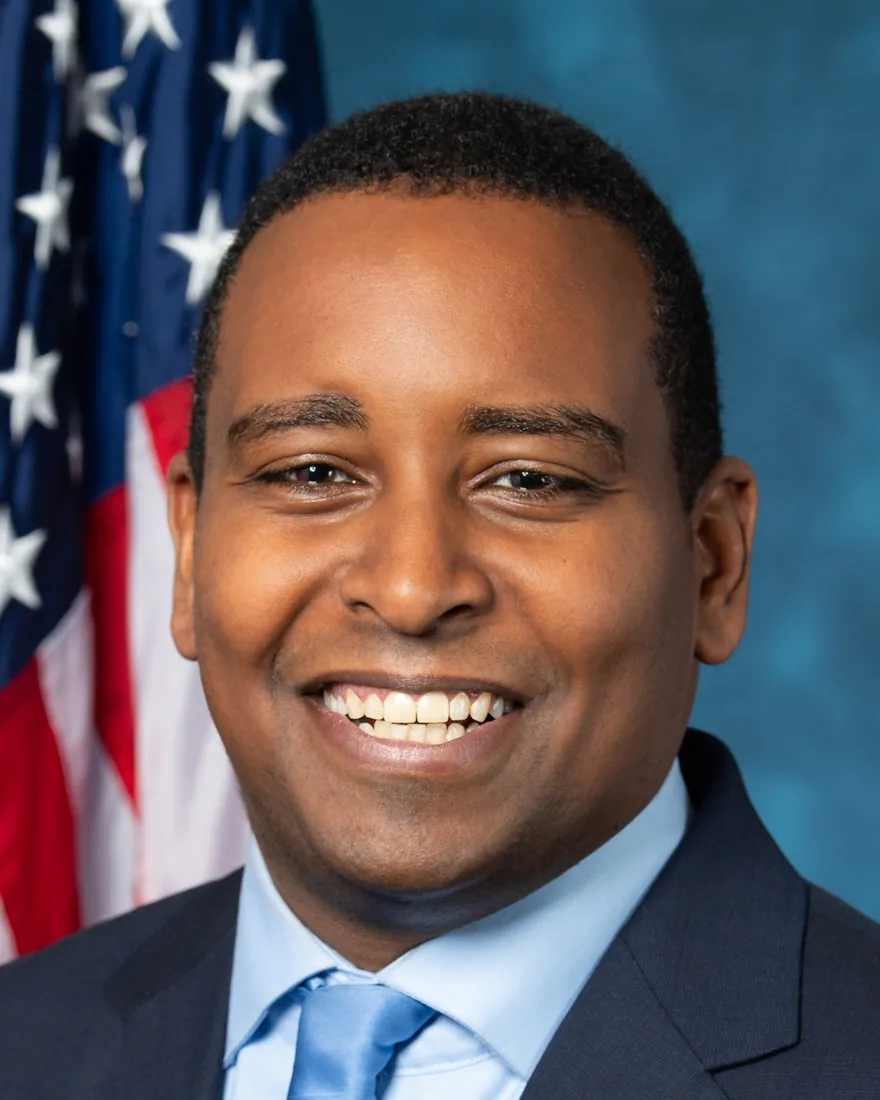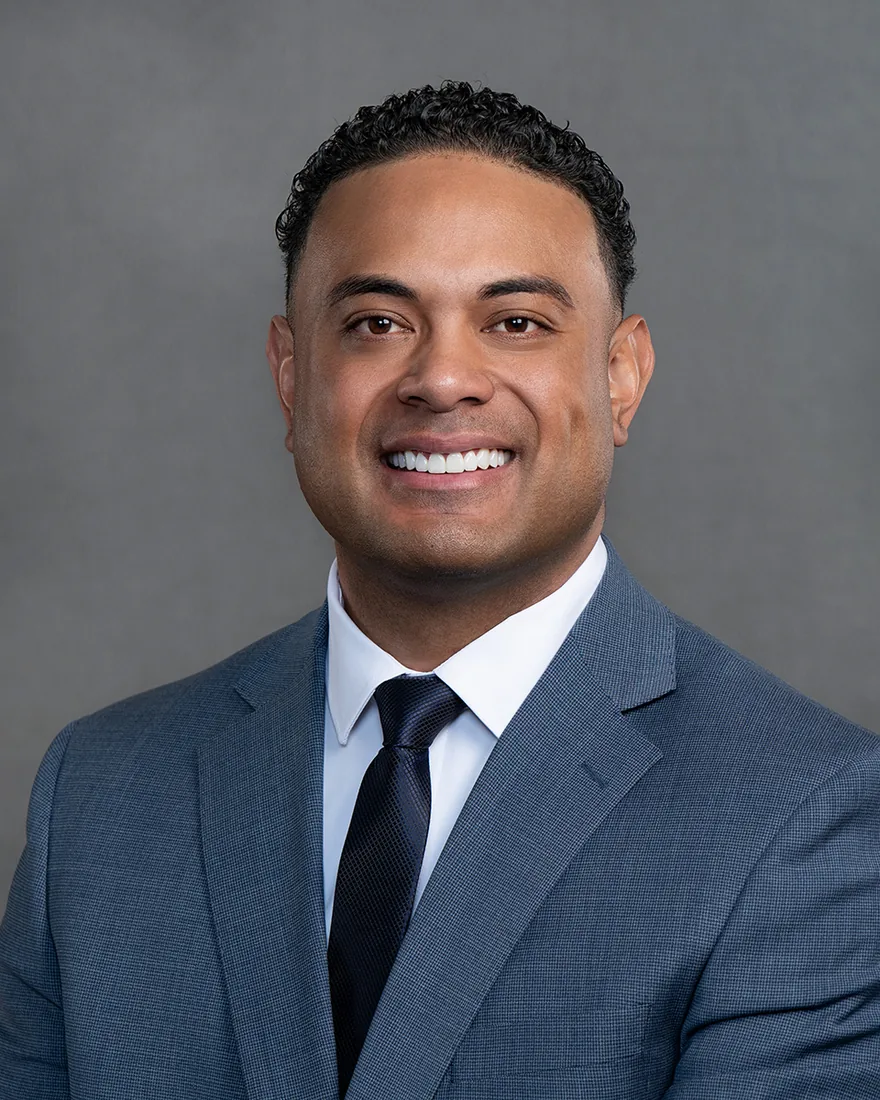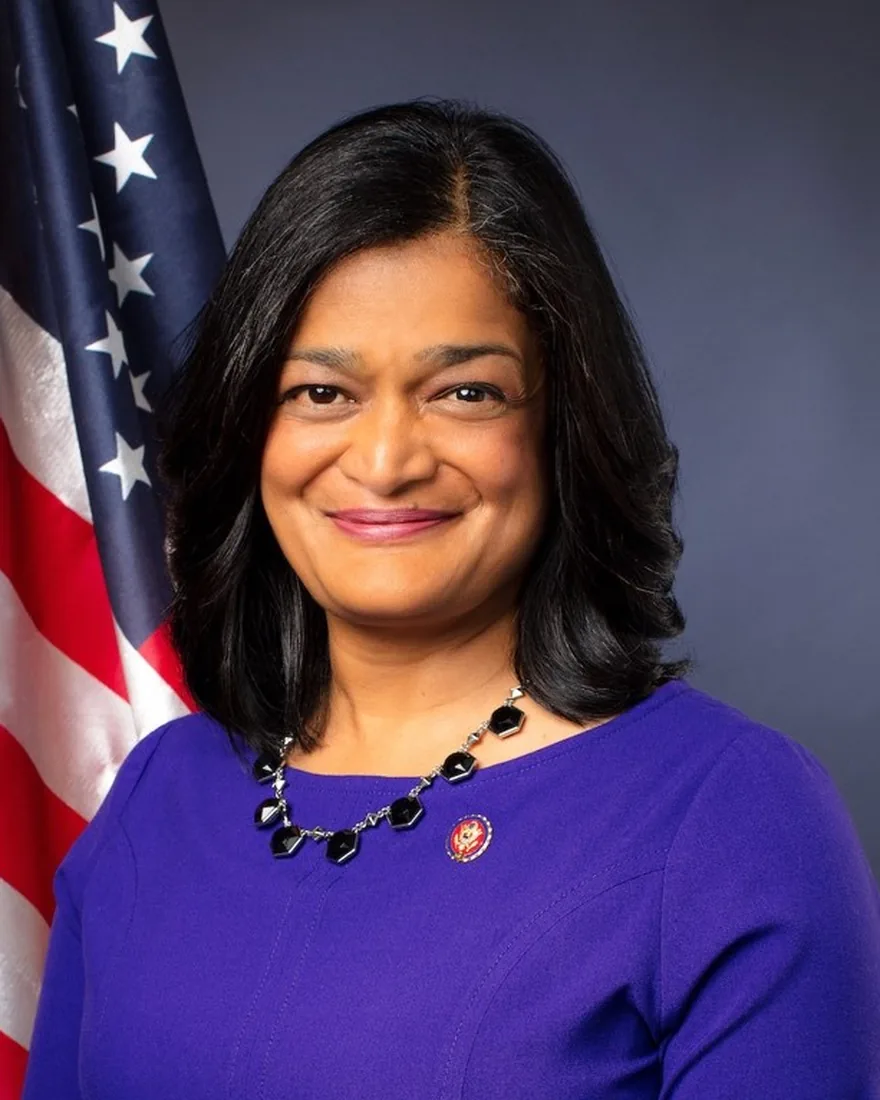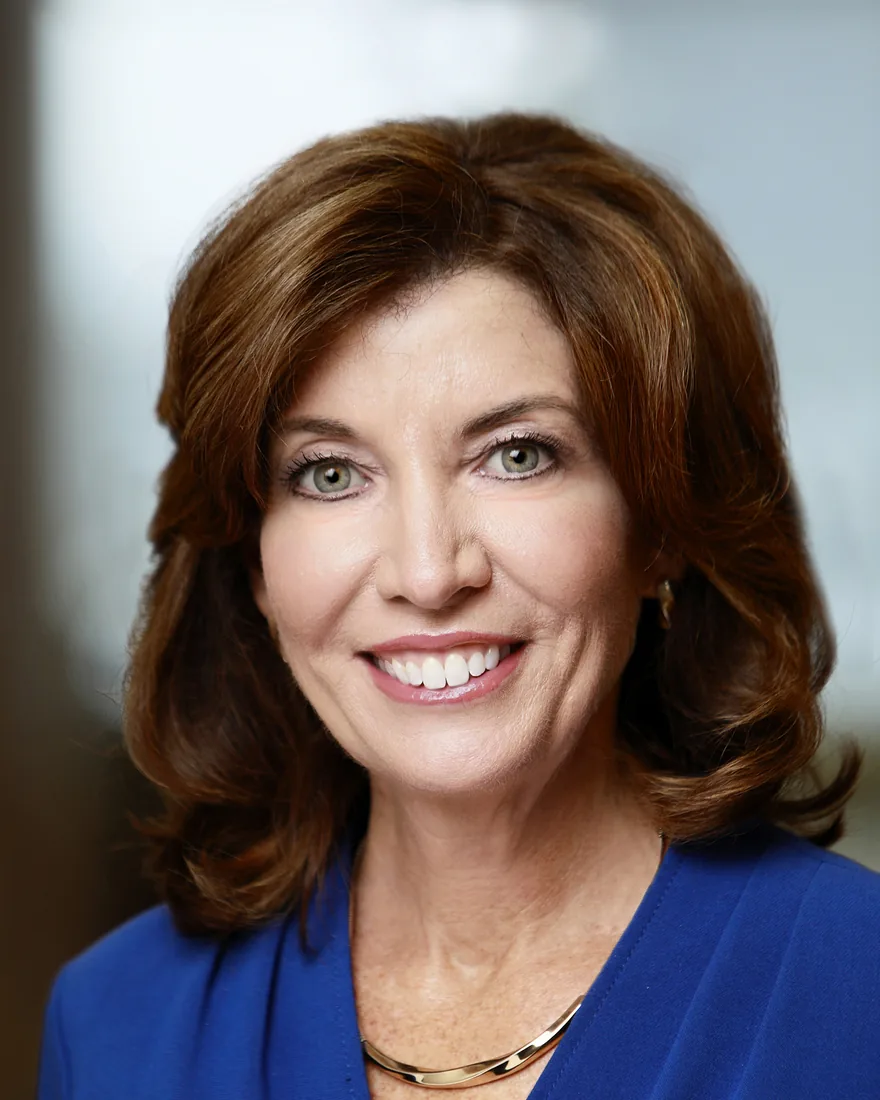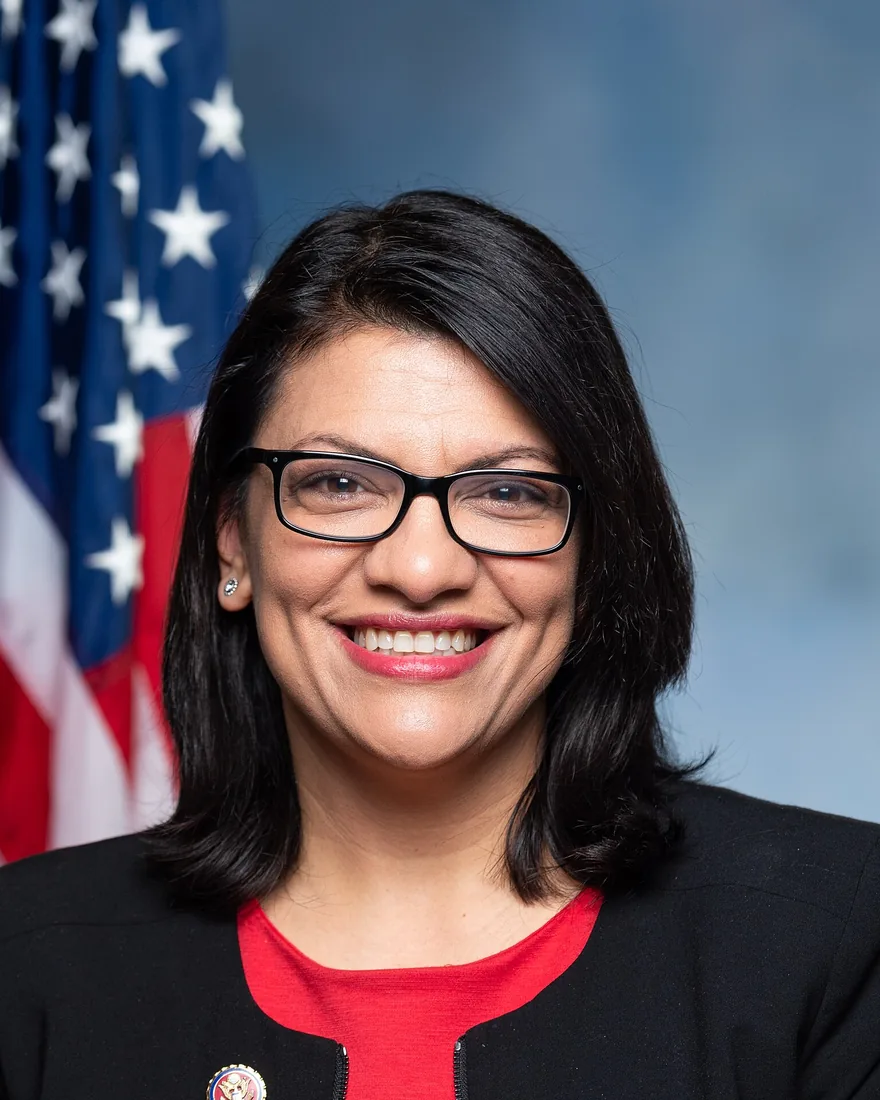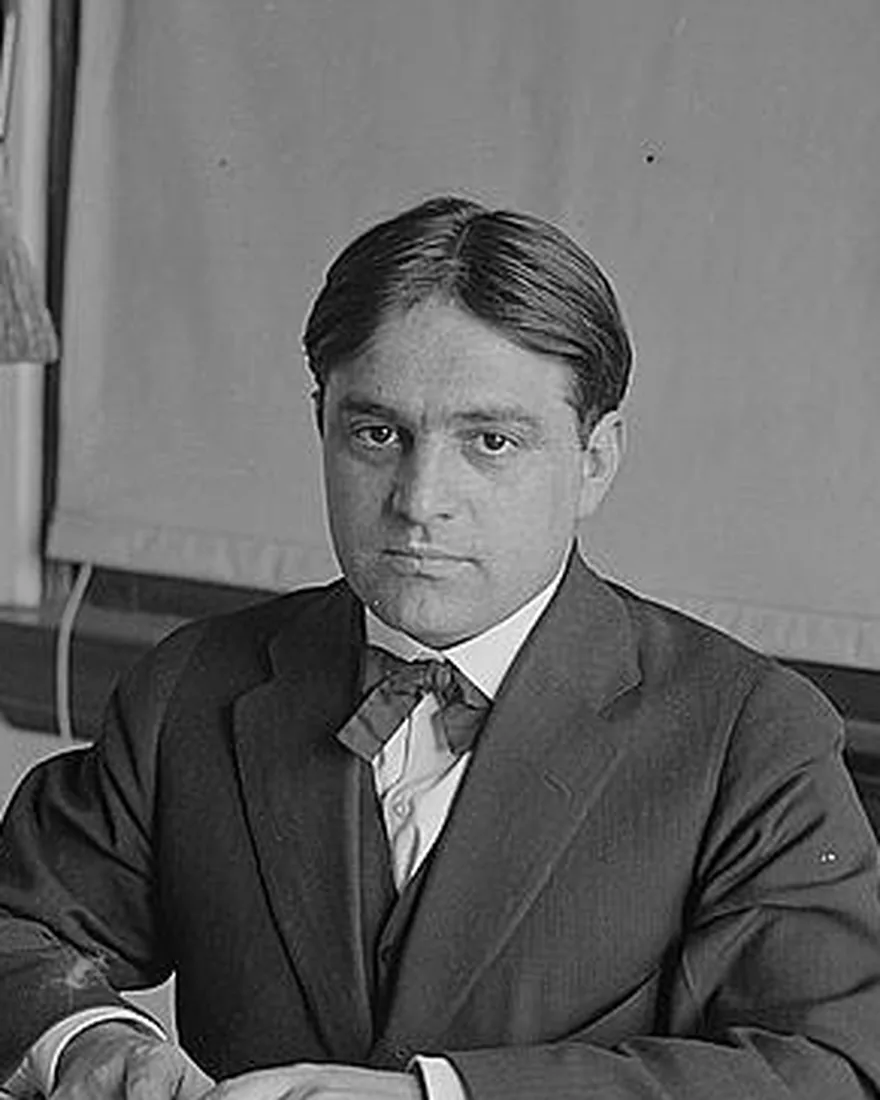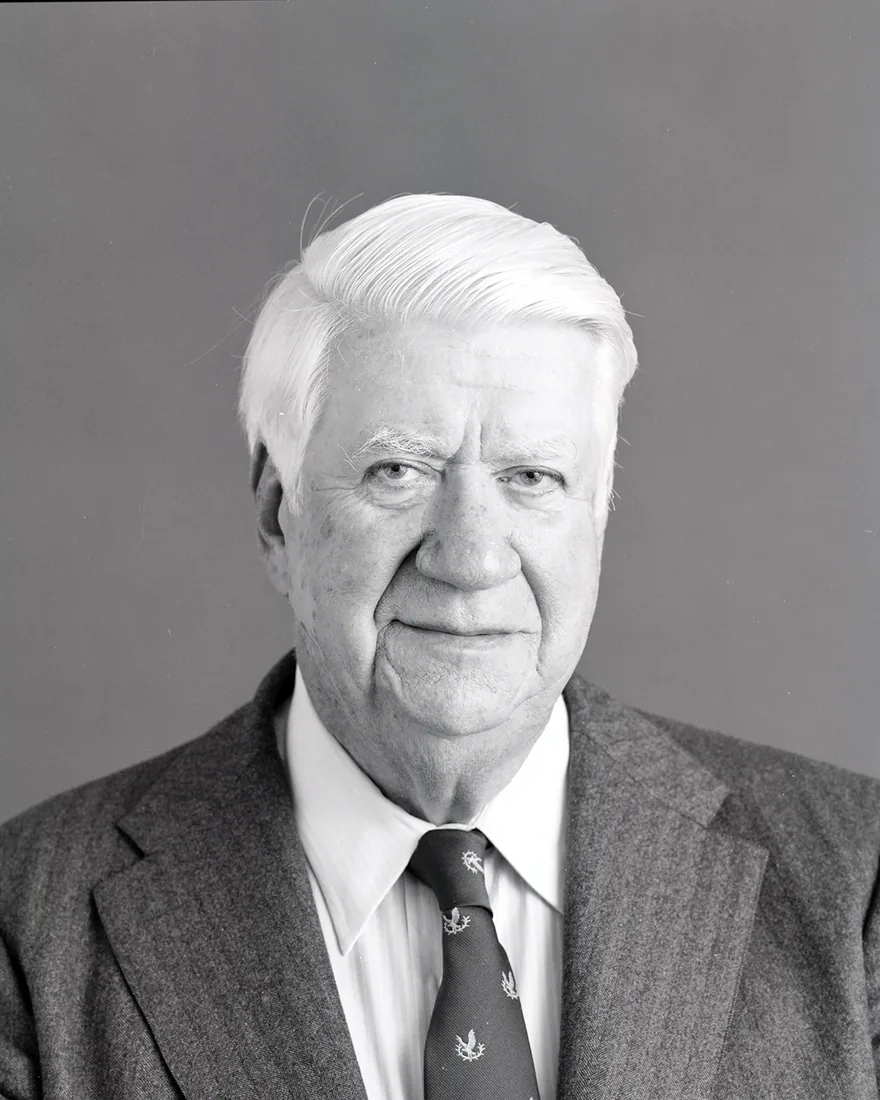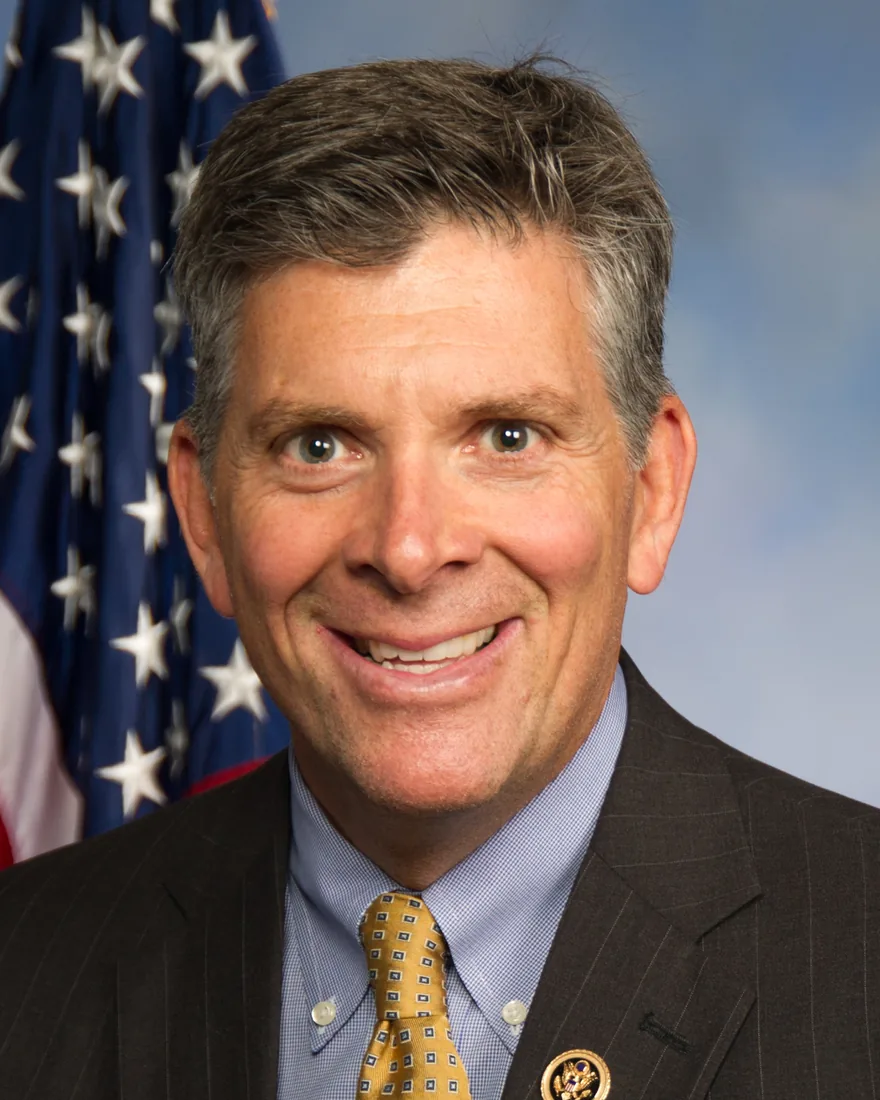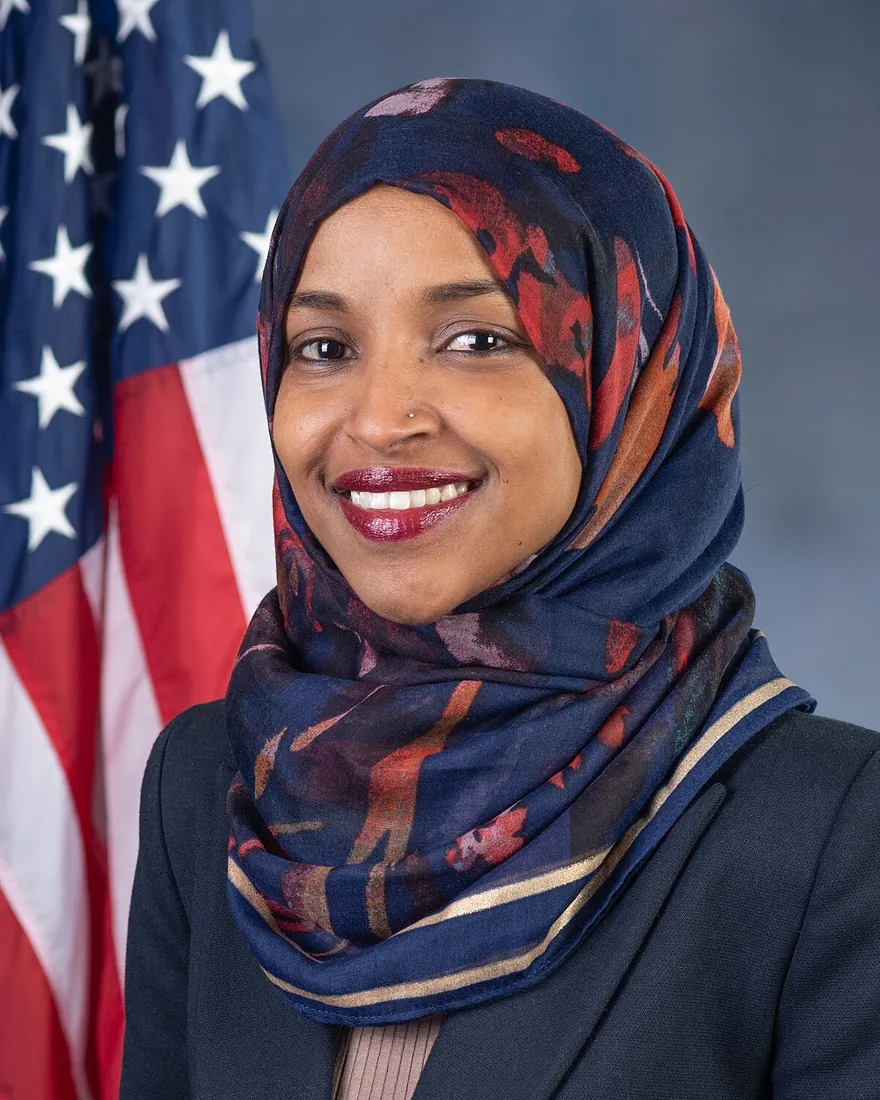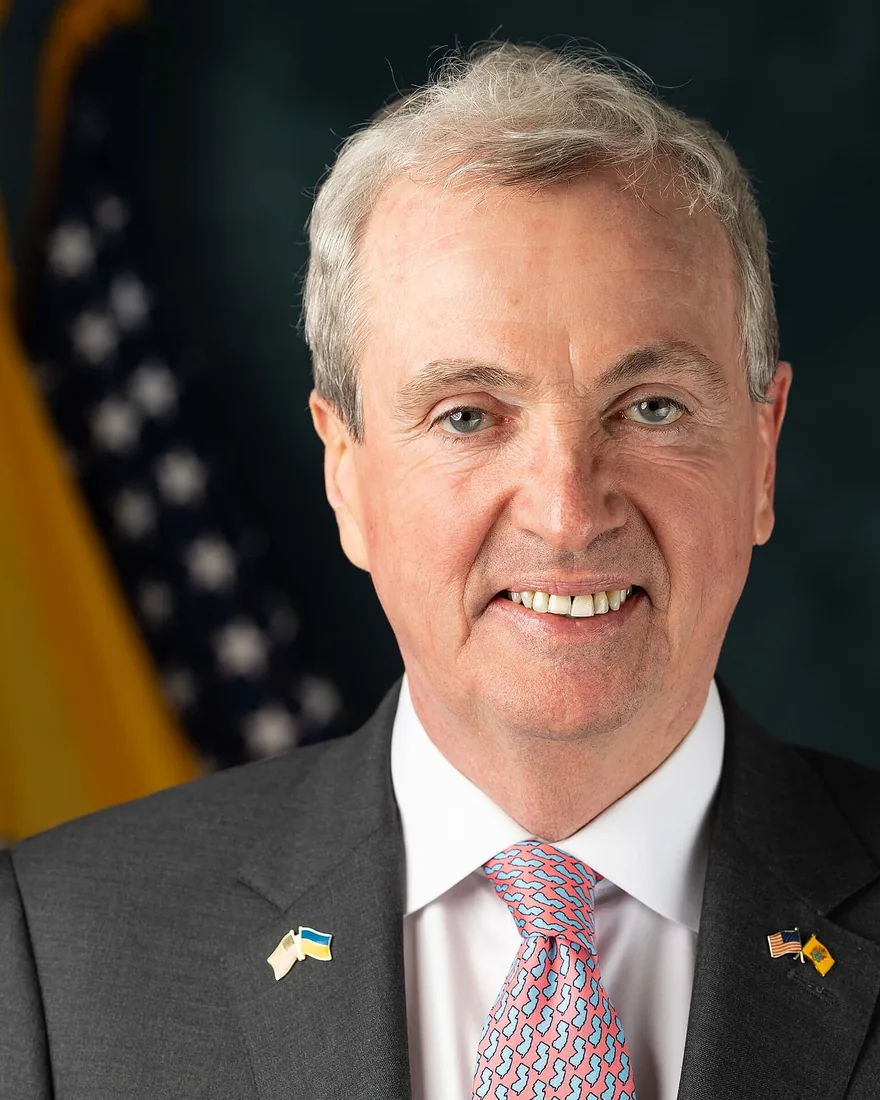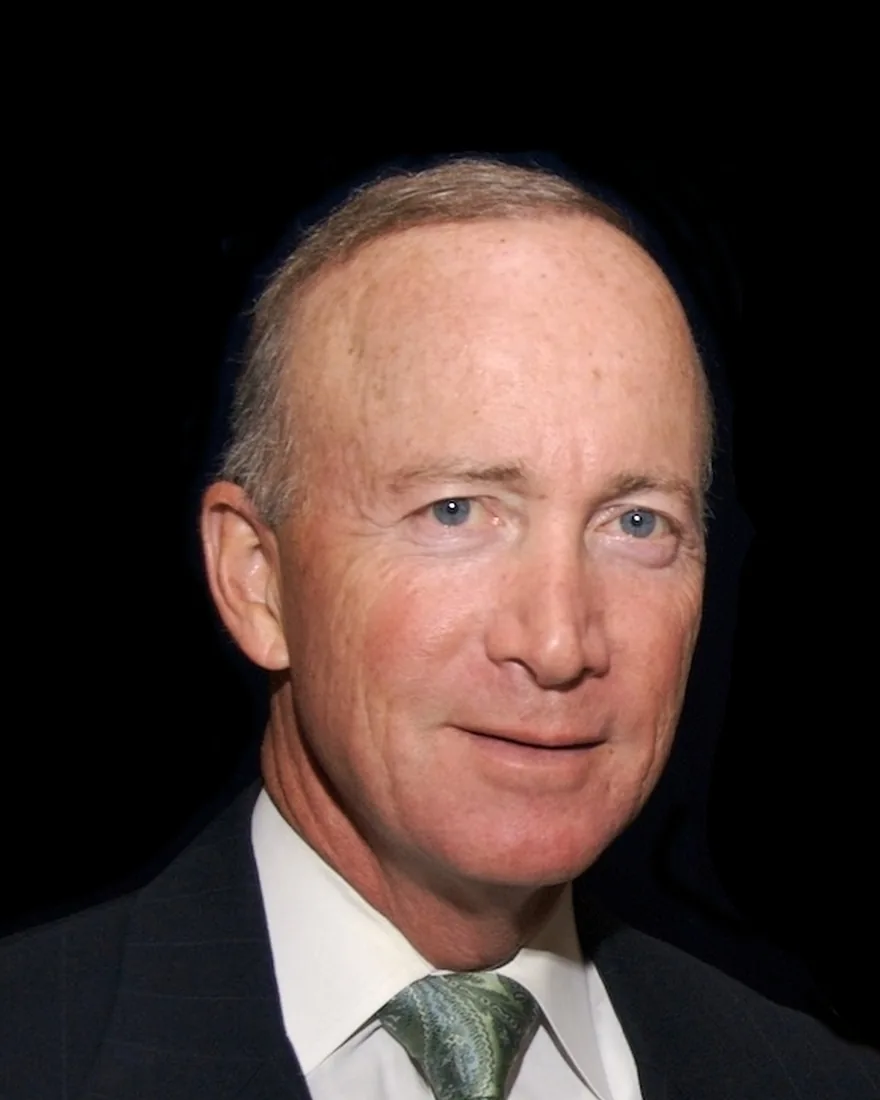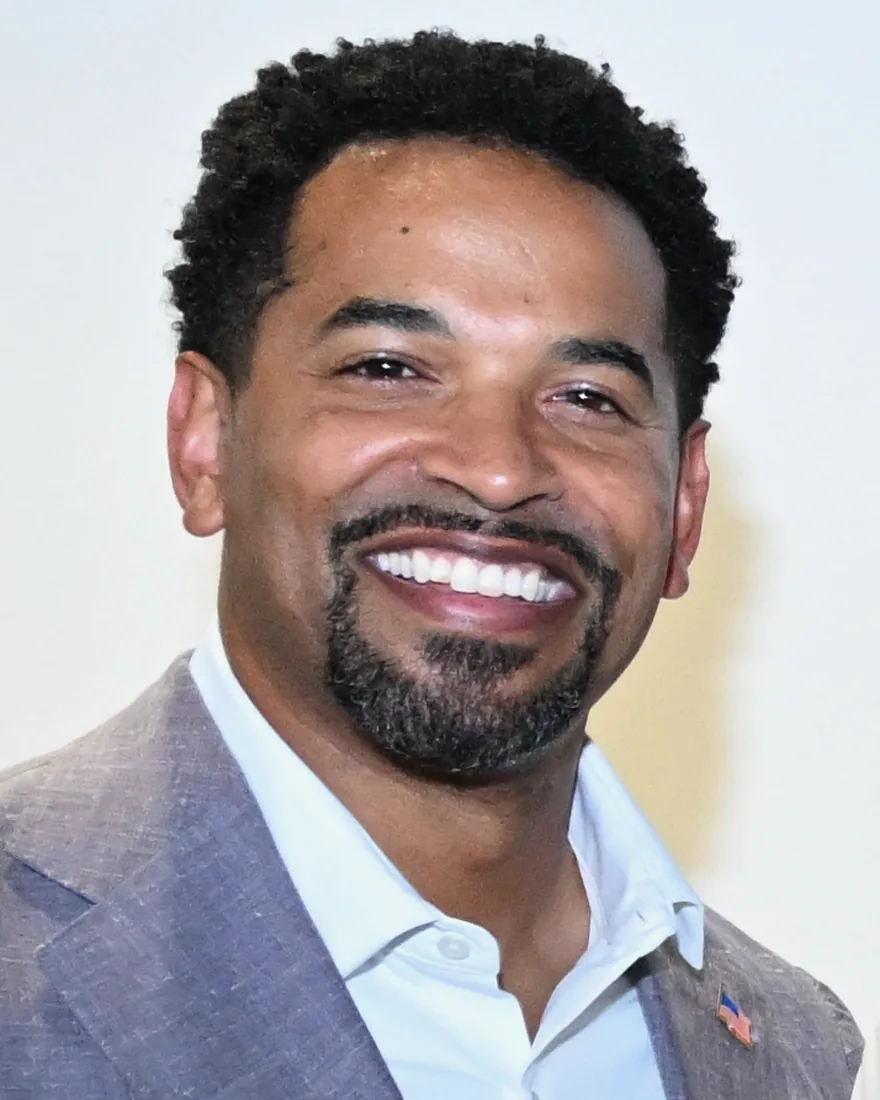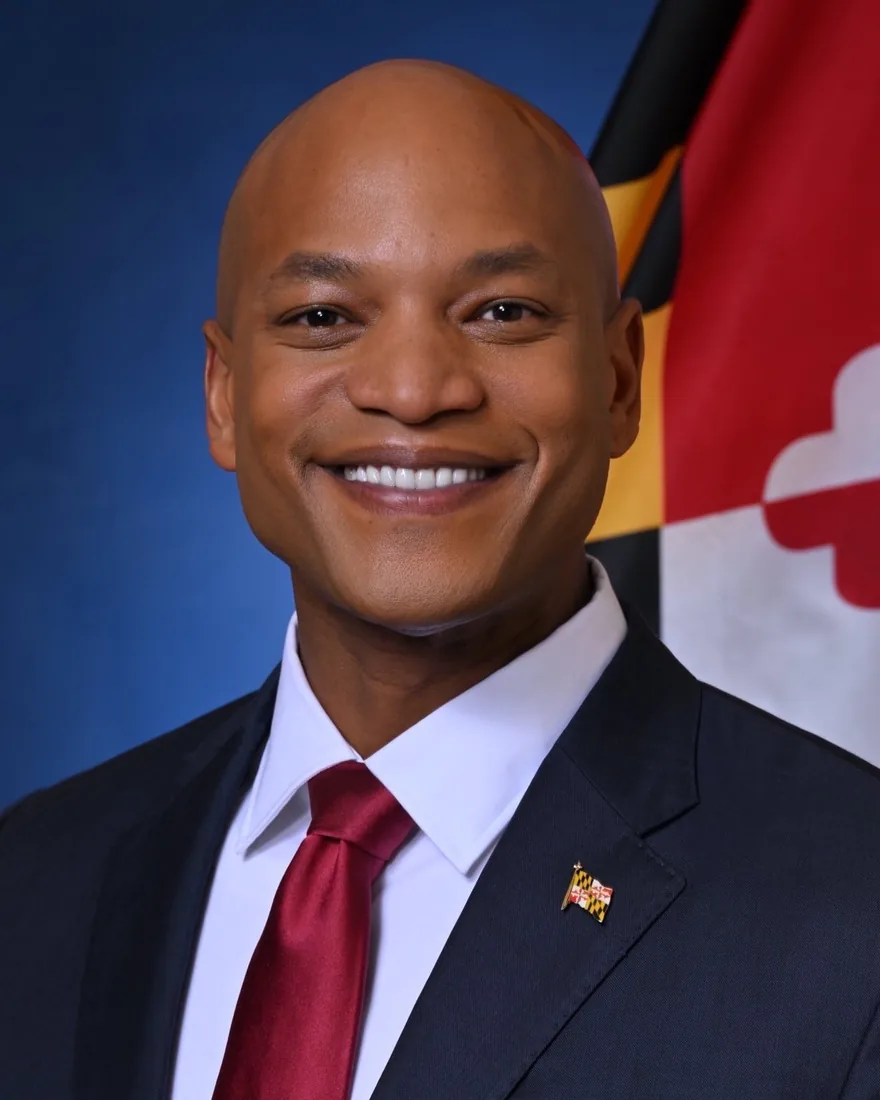

Meet the newly elected and re-elected officials of the 2026 midterms who have associated themselves with having diasporic heritage.
Compiled by The Diaspora Academy, LLC

From Congress to City Hall, these newly elected and re-elected officials across the United States show the range of America's diaspora story, including stories of diverse migration, memory, and shared values to serve their communities. Click here for a definition of Diaspora.
These leaders keep their ties to a heritage country alive, whether they arrived themselves or their families came generations ago. What we honor is the connection they maintain, through the relationships they keep, the support they give, and the memory they carry forward.
Each listing relies on publicly available data, including the official's own public position, mainstream and diaspora media coverage, or both. New elected officials are added as election offices and news outlets call each race.
Confirm you’re a person, and the map opens right here.
The 2026 midterms brought a sweeping shift in party power. Democrats flipped seven U.S. Senate seats and five governorships from Republicans, gained dozens of seats in the House, and won control of legislative chambers in ten states.
Voters also made history. Women are on track to hold more seats in Congress and more governorships than ever before. Americans elected the nation's first Black woman governor, its first Native American woman governor, and its first Muslim U.S. senator. In January, five Black governors will serve at the same time for the first time in American history.
Many of these wins carry a diaspora story, and that story has always been deeply American. New York City Mayor Fiorello La Guardia was the son of Italian immigrants. President John F. Kennedy was the great-grandson of Irish immigrants. Today a new generation of leaders brings that same lens to Congress, statehouses, and City Halls.
Results as of November 6, 2026. We will update these figures as election offices call the remaining races.
At The Diaspora Academy, we aim to highlight and underscore diaspora contributions across the country and around the world, including in politics and policy.
Some are immigrants, some are the children of immigrants, and some descend from families who arrived generations ago. What makes each story diasporic is the effort to keep material and affective ties to an ancestral homeland, from following its news and politics to its food, culture and family relationships, and to show up for their diaspora community. Those ties deepen their worldview and inform the decisions they make.
Child of immigrantsI am proud to be the first American President to come to Kenya… and, of course, I'm the first Kenyan-American to be President of the United States.
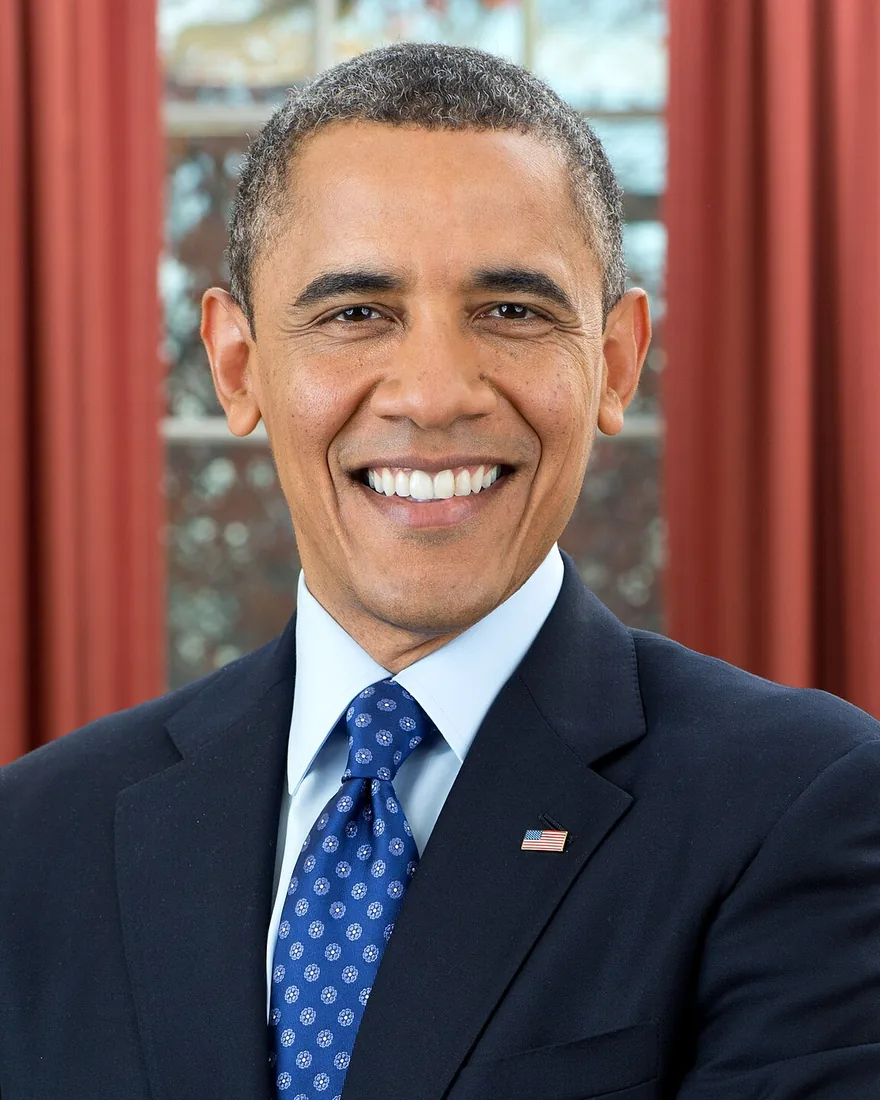 President Barack ObamaPresident of the United States, 2009 to 2017
Roots in Kenya
America's diaspora constituencies are communities of Americans who keep ties to an ancestral homeland. They include immigrants, the children of immigrants, and families whose roots in another country reach back generations. What connects them is the effort to stay connected, whether through a first trip to the homeland or a lifetime of immersion in its culture and community.
Those ties live in everyday choices, from the news and politics people follow to the food they cook, the culture they celebrate, and the relationships they keep with family abroad and with their diaspora community here. That connection builds bridges between places and deepens how people see the world. It informs the decisions diaspora Americans make as voters, neighbors, entrepreneurs and leaders.
Take a Look at America’s Diaspora Constituencies
These elected officials reflect America's diaspora constituency. To learn more about who that constituency is and where it lives, get our guide, Diasporas in America.
60M+
Americans are first- or second-generation diasporans, about a fifth of the country.
Source: USAID1 in 8
Americans is second generation, born here to at least one immigrant parent.
Source: Pew Research Center
The Diaspora Academy uses the definition of the International Organization for Migration:
Diasporas are “emigrants and their descendants, who live outside the country of their birth or ancestry, either on a temporary or permanent basis, yet still maintain affective and material ties to their countries of origin.”
Affective ties are emotional and cultural, such as family, language, faith, and heritage. Material ties are tangible, such as remittances, investment, and property.
For more information, read our free primer, What Is the Diaspora?
Photos via Wikimedia Commons: National Park Service and Carol M. Highsmith (public domain); WhisperToMe (CC0); Tessa Bury, Tzim78 and Larry D. Moore (CC BY 4.0); Fibonacci Blue, Ramesh Lalwani, S Pakhrin, Eli Christman, Jitze Couperus and Steven Pisano (CC BY 2.0); TheeErin and Nick DeWolf (CC BY-SA 2.0); MusikAnimal and Sulfur (CC BY-SA 3.0); Pax Ahimsa Gethen, Esthee2010, AjarnRichard, Torvild, DanielPenfield and Rai.robin (CC BY-SA 4.0).
This map lists officials elected in the 2026 midterms who publicly describe themselves as part of a diaspora or speak openly about their roots in another country, including immigrants, children of immigrants, and descendants at any generation. It opens on every official elected in 2026, including those who won re-election, and the New 2026 Diaspora Electeds view narrows it to officials elected to their office for the first time. Our data comes from open, publicly available sources, and we verify every listing through the official's own public remarks, reporting from a diaspora or established media outlet, or both. Each profile names a country, region, or ancestral homeland and links to its sources so you can read them yourself. We never assign heritage to anyone based on a name, an appearance, or an assumption, so officials who do not publicly attribute their background to a diaspora do not appear here. We count clear wins only: races called by the AP, major outlets, or election offices, unopposed seats, and wins by ten points or more once every vote is counted. We add close races and runoffs as soon as the results are final.
The Diaspora Academy, LLC compiled this map for educational and informational purposes. It does not endorse any candidate, official, or political party, and it does not speak for the officials it lists. We describe each person's heritage only in the terms they or a cited outlet have used in public.
We review every listing with care, and public information can change. If you spot an error, or you would like to update your own listing, write to us at info@thediasporaacademy.com and we will review it promptly.
Last updated November 9, 2026. District boundaries come from the U.S. Census Bureau and from city and county mapping offices. Photos come from official government and legislature pages, campaign sites, and public candidate profiles. Election Day and capitol photos come from Unsplash. Compiled by The Diaspora Academy, LLC.